
Buying limited-edition sneakers online can be challenging. Popular releases often sell out within seconds, making it difficult for manual shoppers to secure their favorite pairs. This is why many sneaker enthusiasts use shoe bots to automate the purchasing process.
A shoe bot is software designed to automate online sneaker purchases, from monitoring product availability to adding items to carts and completing checkout. While these tools can improve purchasing efficiency, they also come with costs and limitations.
In this guide, we’ll explain how shoe bots work, their main advantages and disadvantages, and whether using one is worthwhile.
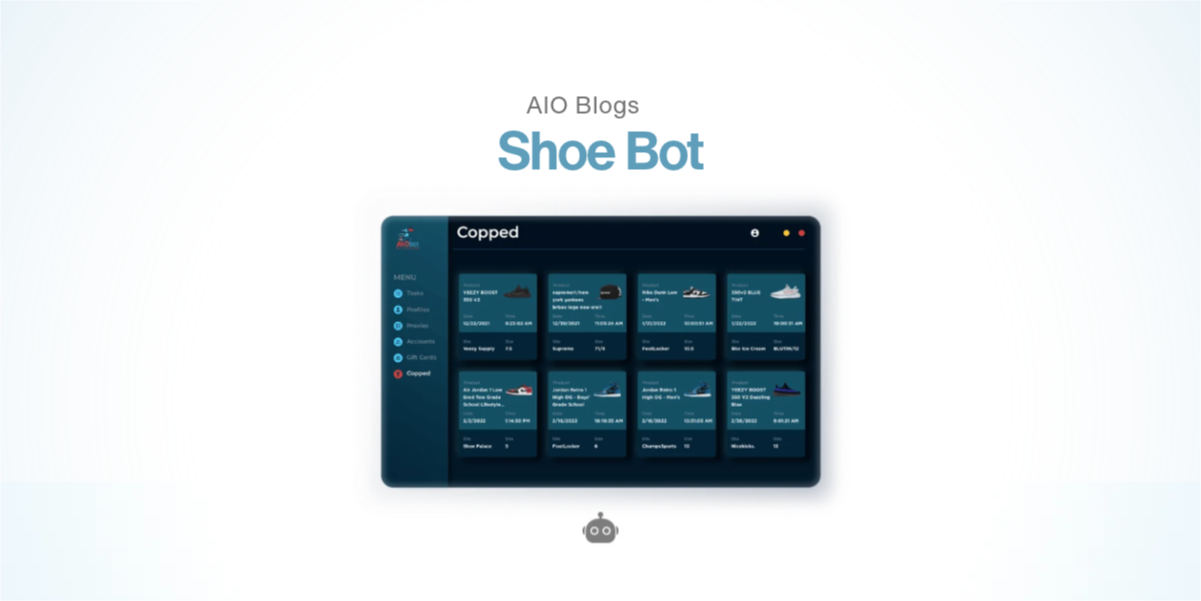
What Is a Shoe Bot?
A shoe bot, also known as a sneaker bot, is an automated purchasing tool that helps users buy limited-release sneakers from supported online retailers.
Instead of manually refreshing product pages, selecting sizes, and entering payment information, users configure automated tasks to perform these actions.
Most sneaker bots use a task-based system. Each task contains information such as the target retailer, product, size, and checkout profile. Users can run multiple tasks simultaneously to target different products and releases.
The goal is to improve purchasing efficiency and increase the chances of securing sneakers at retail prices. However, no bot guarantees a successful purchase.
How Does a Shoe Bot Work?
Although features vary between providers, most sneaker bots follow a similar process:
- Product monitoring: Monitors supported retailers for product pages and inventory updates.
- Task configuration: Users select the retailer, product, size, and checkout settings.
- Product selection: The bot identifies the targeted product when it becomes available.
- Cart automation: Attempts to add the selected sneakers to the shopping cart.
- Checkout: Uses configured information to attempt to complete the purchase.
- Order confirmation: If the retailer accepts the transaction, the order is completed.
Some bots also support proxies, CAPTCHA-solving integrations, and server hosting to help users manage their operations.
What Are the Pros and Cons of Using a Shoe Bot?
Before investing in sneaker automation software, consider its advantages and disadvantages.
Shoe Bot PROS and CONS
| PROS | CONS |
|---|---|
| Speed: Automates repetitive purchasing actions. | Cost: Some bots require expensive licenses or subscriptions. |
| Multiple tasks: Targets different products and sizes simultaneously. | No guarantees: Limited inventory can still prevent successful purchases. |
| CAPTCHA support: Some bots integrate CAPTCHA-solving services. | Technical issues: Bugs and website changes can interrupt tasks. |
| Proxy support: Supports managing multiple connections where permitted. | Anti-bot systems: Retailers can detect and restrict automated activity. |
| Multiple retailers: Some bots support several websites through one interface. | Learning curve: Beginners need time to understand bot configurations. |
What Are the Advantages of Using a Shoe Bot?
How Does a Shoe Bot Improve Purchasing Speed?
Speed is one of the biggest advantages of sneaker automation. A bot can monitor products and execute repetitive purchasing actions without requiring constant manual interaction.
This can be particularly useful during competitive releases when inventory disappears quickly.
Can a Shoe Bot Run Multiple Tasks?
YES. Most modern sneaker bots allow users to run multiple tasks simultaneously. This makes it possible to target different sizes, products, and supported retailers through one interface.
However, running more tasks does not guarantee more successful purchases.
Can a Shoe Bot Support Multiple Retailers?
YES. Many all-in-one sneaker bots integrate with multiple retailer websites, allowing users to manage different releases without switching between applications.
Compatibility depends on the software, and integrations require regular maintenance as retailers update their websites.
What Are the Disadvantages of Using a Shoe Bot?
Are Sneaker Bots Expensive?
Some sneaker bots require upfront license payments or recurring subscriptions. Additional expenses may include proxies, servers, and other supporting services.
These costs can make sneaker botting expensive, particularly for beginners.
Can Retailers Detect Sneaker Bots?
YES. Many retailers use anti-bot systems to identify and restrict automated purchasing activity. These systems may introduce CAPTCHA challenges, queues, purchase limits, and other restrictions.
As a result, bot developers must regularly update their software to maintain compatibility.
Does a Shoe Bot Guarantee Successful Purchases?
NO. Even reliable sneaker bots cannot guarantee successful checkouts. Limited inventory, competing shoppers, payment problems, and retailer restrictions can all affect results.
A bot improves purchasing automation, but the final outcome depends on several factors outside the user’s control.
Is Using a Shoe Bot Worth It?
A shoe bot can be worthwhile for people who regularly participate in limited sneaker releases and want to automate repetitive purchasing tasks.
Its main benefits include faster execution, multiple task management, and support for different retailers. However, users should consider software costs, additional expenses, compatibility, and the learning curve before investing.
When choosing a sneaker bot, look beyond advertised success rates. Check retailer support, software updates, stability, and customer service.
Ultimately, a shoe bot can make online sneaker purchasing more efficient, but it cannot eliminate competition or guarantee a successful checkout.
Related Sneaker Botting Guides
Explore these guides to learn more about sneaker automation: